Yemen Crisis
Send much-needed food, water, medical supplies and other life-saving humanitarian aid to the people of Yemen
Yemen: The World's Worst Humanitarian Crisis
Yemen has been embroiled in a military conflict that has left millions of innocent civilians running for their lives. They continue to struggle as conditions continue to worsen.
17.8 million Yemenis don’t know where their next meal will come from. Nearly half of those who are suffering from food insecurity are on the verge of starvation.
32 percent of all the districts in Yemen are at a heightened risk of sliding into famine. With markets and trade routes disrupted and a blockade choking off essential goods, the people of Yemen are in urgent need. Many are literally starving to death.
The United Nation’s 2018 Humanitarian Needs Overview report that only 50 percent of health facilities in high-risk districts are fully functional. This is leaving mothers, children and those suffering from illness without access to doctors, medicines and other healthcare resources.
On October 14, 2018, The Ministry of Public Health and Population of Yemen reported an astonishing 1.2 million suspected cases of cholera since April of 2018. During that same time, they estimate 2,510 cholera related deaths.
The New York Times is calling the situation in Yemen “the world’s worst humanitarian crisis” and lists Baitulmaal among highly rated charities providing aid in Yemen.
Since 2018, Baitulmaal has sent $1.3 million in humanitarian aid that provided 158,260 meals, 300,000 tablets of antibiotics, 15,000 medical test kits, and hygiene kits to 200 families.
Facts about the Yemen Crisis
- 22 million people in Yemen are in urgent need of humanitarian assistance
- 17.8 million Yemenis suffer from food insecurity
- 8 million Yemenis are on the verge of starvation
- 32 percent of all districts are at a heightened risk of falling into famine
- 50 percent of health facilities in high-risk districts are not fully functional
- 1.2 million suspected cases of cholera since April 2018
- 2,510 cholera-related deaths since April 2018
Yemen Crisis Response
- $1.3 million in emergency humanitarian aid since 2018
- 354,508 meals provided
- 300,000 tablets of life-saving antibiotics
- 15,000 medical test kits
- 200 hygiene kits
The Yemeni people urgently need your support. Your donation will send life-saving food, medicine and supplies to alleviate their suffering. Without your generous donation, they might not get access to the food, medicine and other life-saving necessities to help them survive.
Your donation makes a difference.
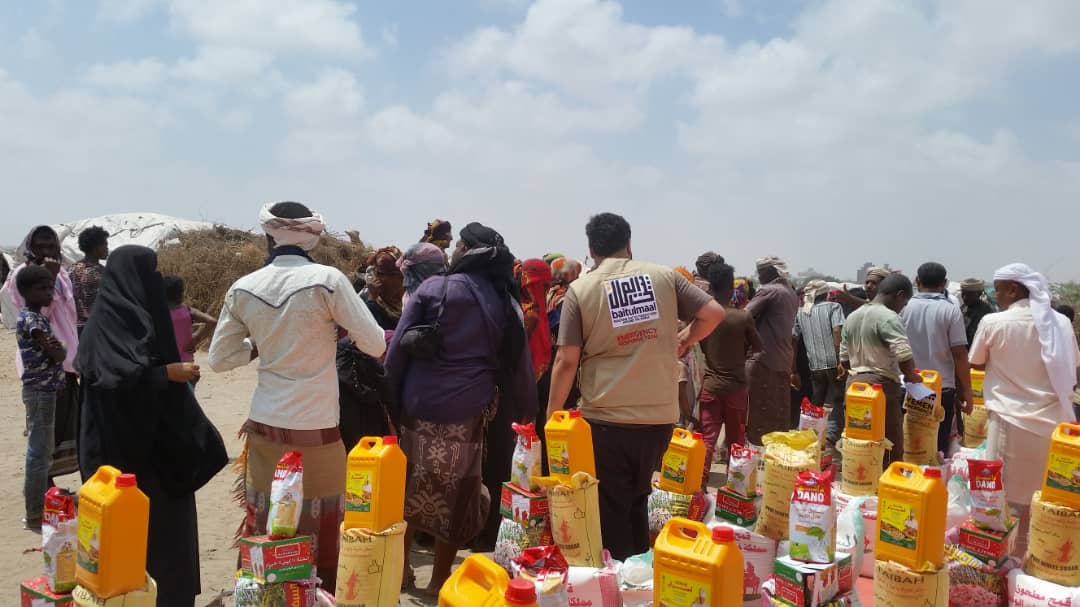
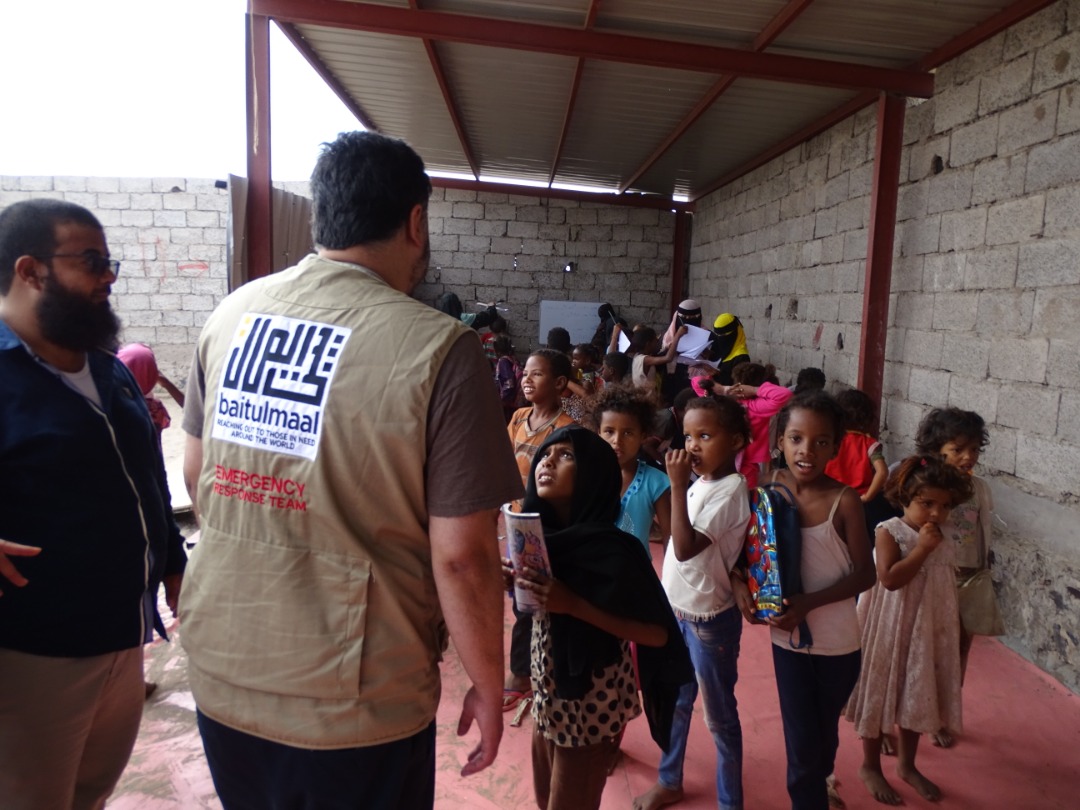
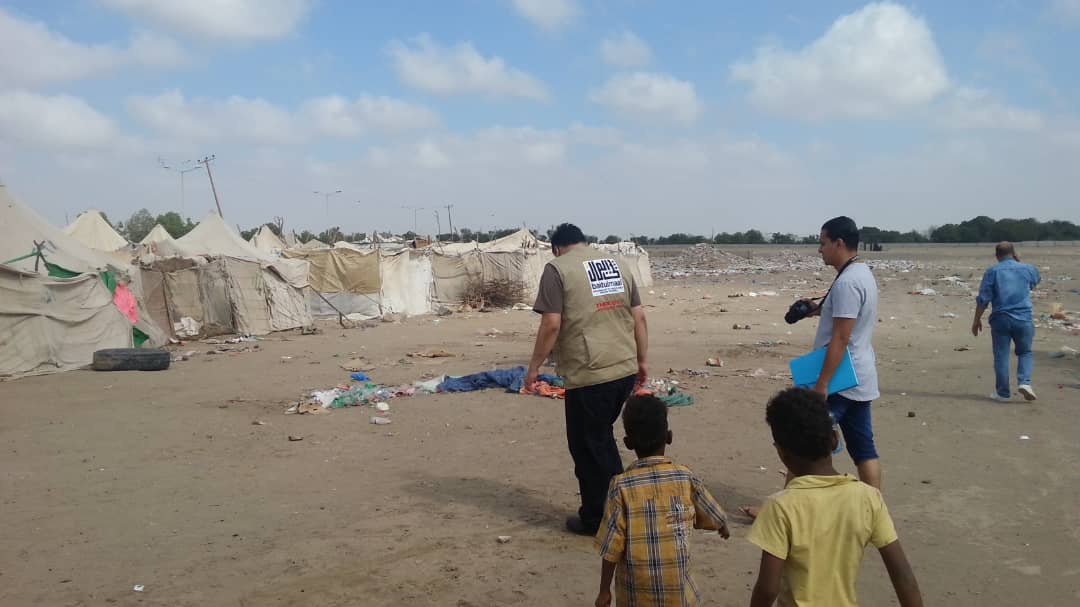
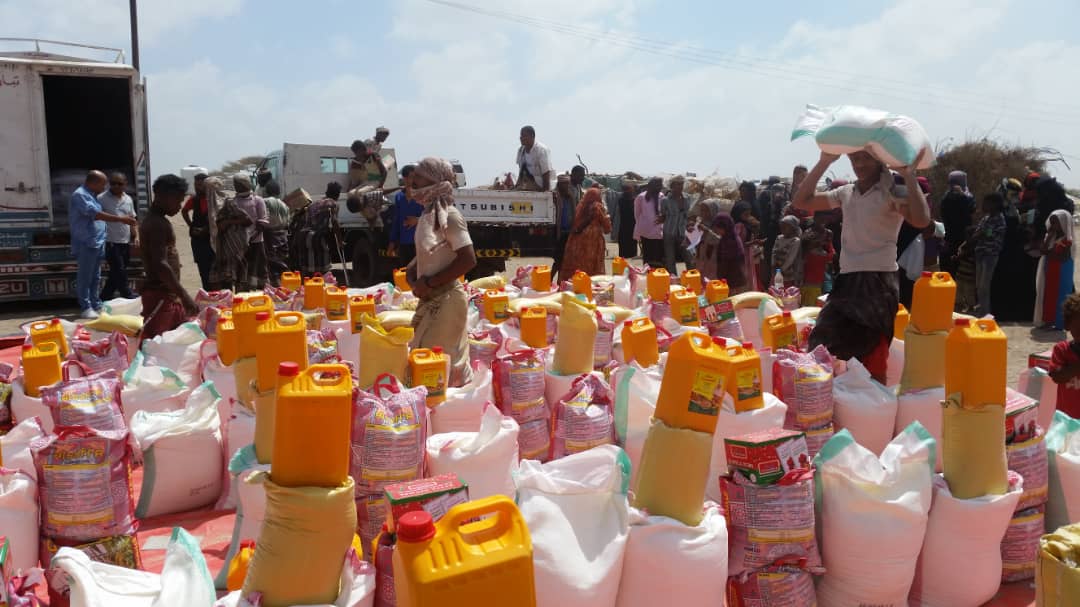
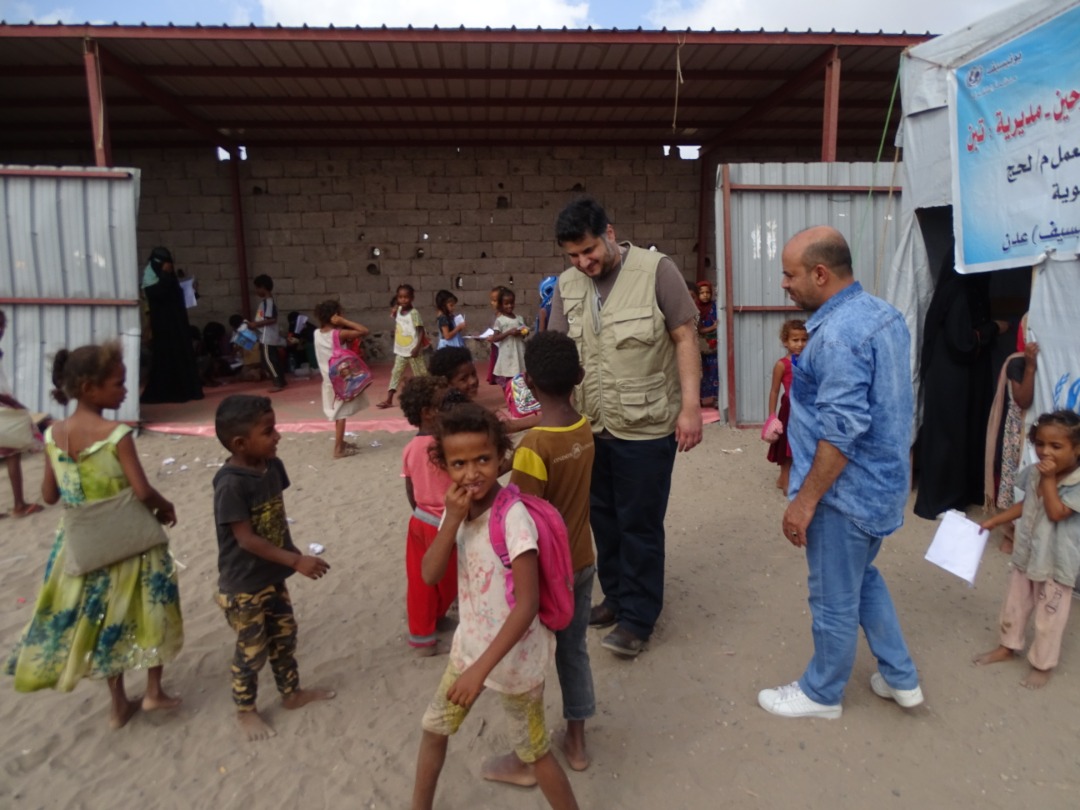
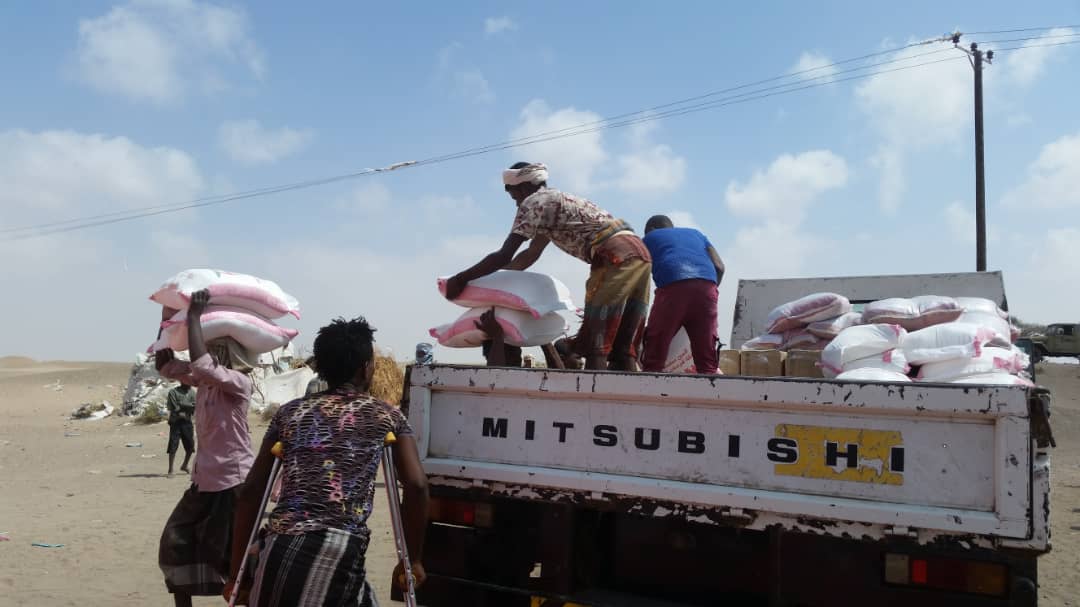
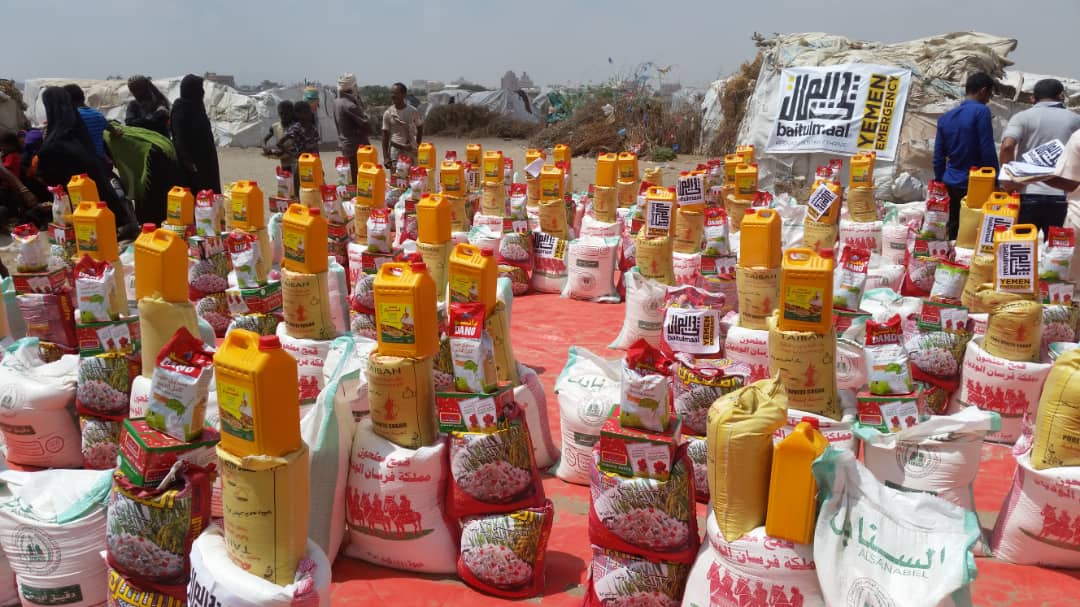
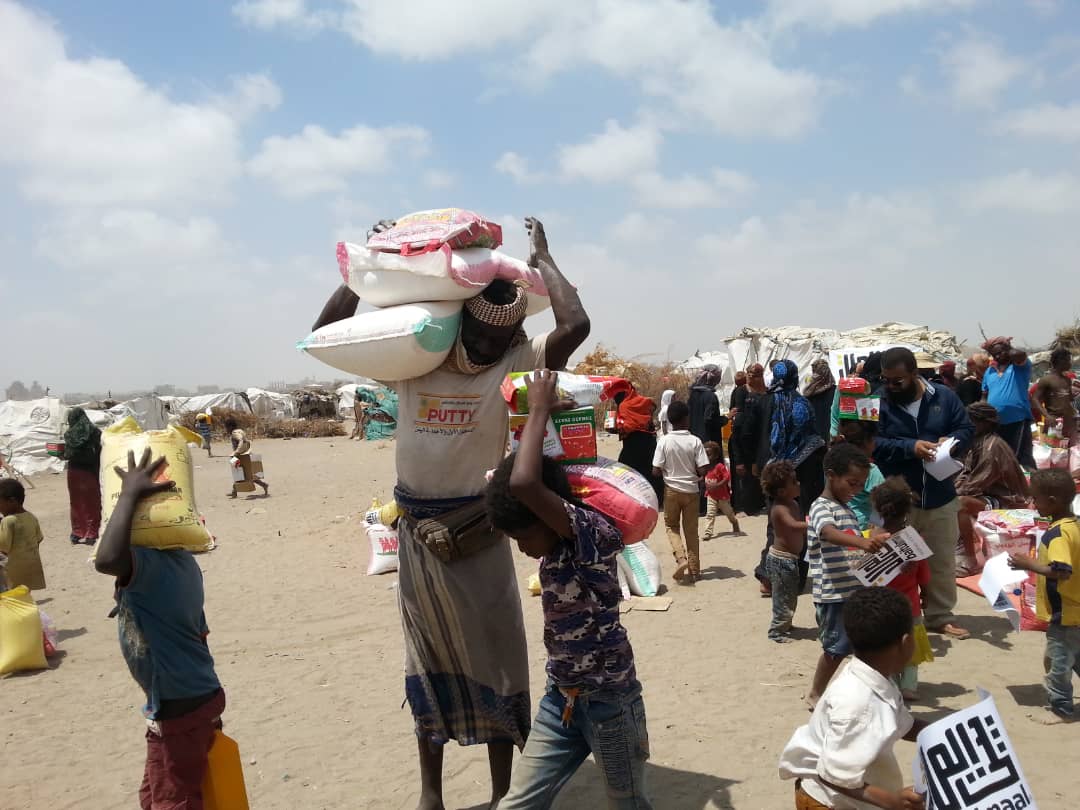
Photos from the Field in Yemen

News & Updates
Respond / Sustain / Thrive
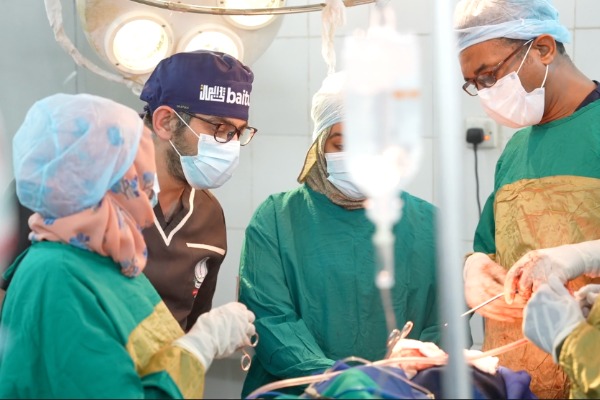
Baitulmaal Launches First Life-Saving Medical Mission in Sudan
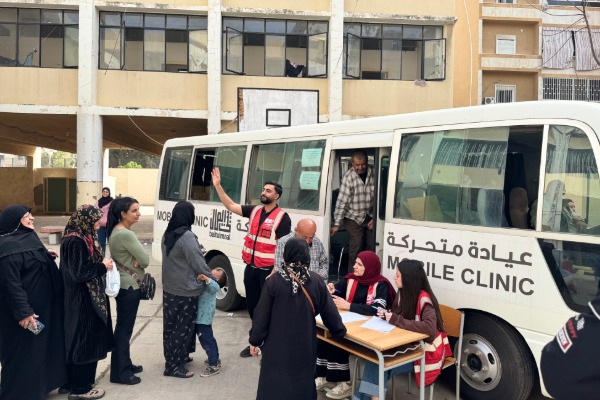
Baitulmaal Conducts Mobile Clinics, Operates Firetruck in Response to Lebanon Crisis
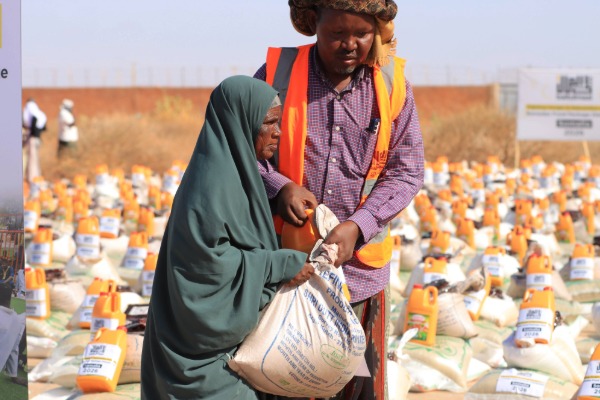
Food for 30,000 Meals Provided to Families in Somalia During Ramadan
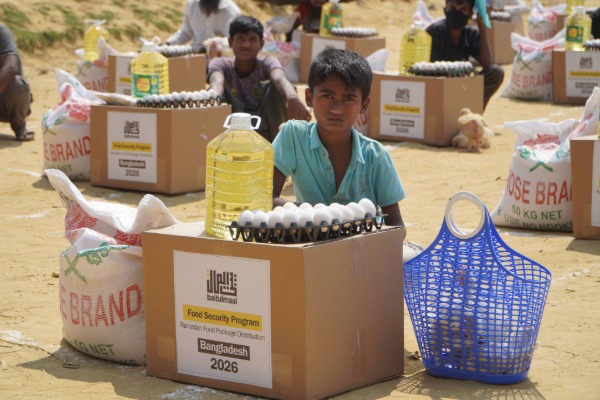
Baitulmaal Delivers Food for 140K Meals to Rohingya Refugees During Ramadan
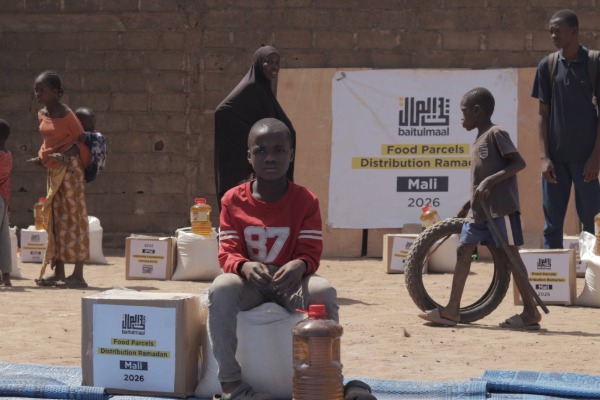
Food for Over 54K Ramadan Meals Distributed to Families in Mali
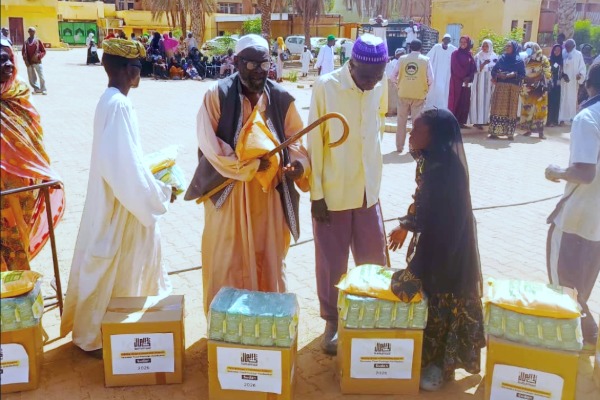
Baitulmaal Distributes Food Packages for 180K Ramadan Meals to Vulnerable Families in Sudan
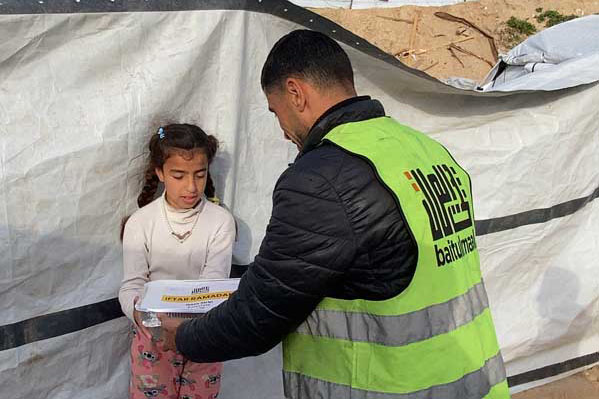
Baitulmaal Delivers 150 Hot Iftar Meals Daily to Families in North Gaza
GAZA, PALESTINE March 6, 2026 -- Baitulmaal, a Dallas-based international humanitarian nonprofit, is on the ground in North Gaza distributing 150 hot Iftar meals daily to vulnerable families, ensuring they can break their fast with a warm meal during the holy month of...
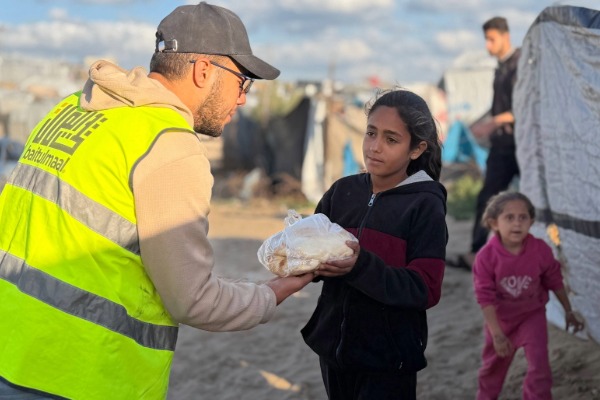
Baitulmaal Opens The Hope Bakery in Gaza
GAZA, PALESTINE March 4, 2026 -- Baitulmaal, a Dallas-based international humanitarian nonprofit, has launched the Hope Bakery initiative in Mawasi Khan Younis during the holy month of Ramadan to provide daily bread to displaced and vulnerable families while creating...
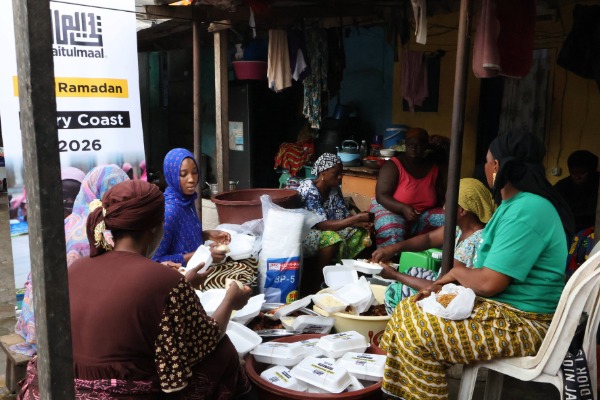
Baitulmaal Provides Food for 50,000 Meals to Families in Ivory Coast