NEW YORK, NY – September 24, 2026 – Amid rising concerns over preventable maternal and newborn deaths in the world’s most fragile settings, Baitulmaal CEO Mazen Mokhtar addressed global health leaders, policymakers, and innovators during the 81st United Nations General Assembly (UNGA81).
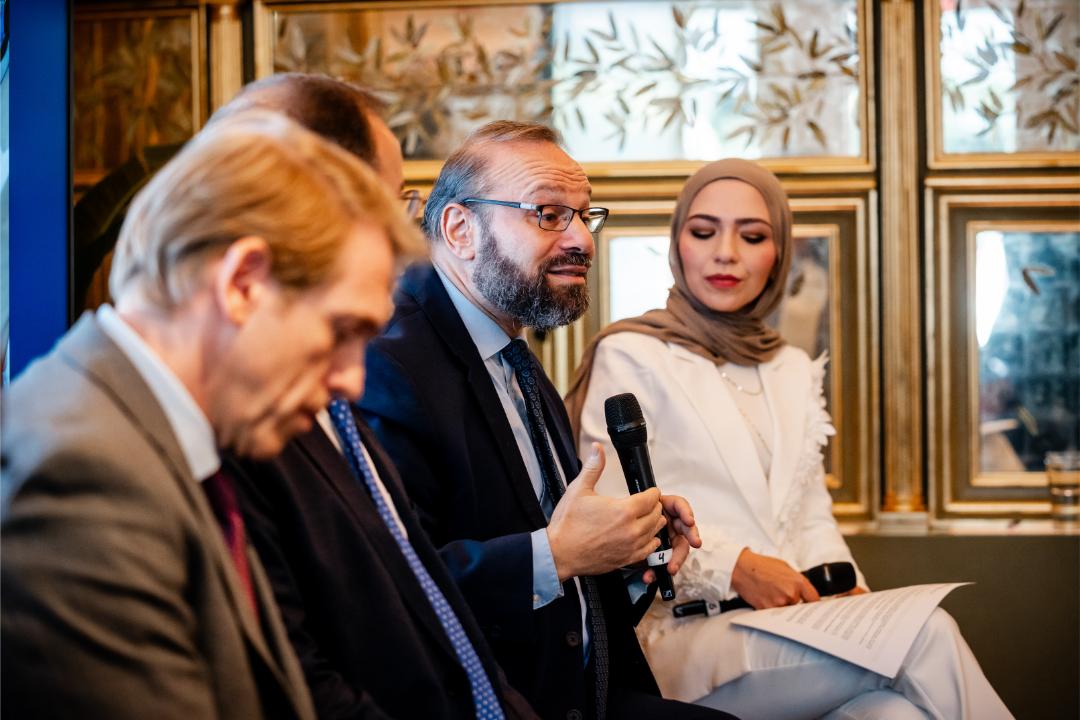
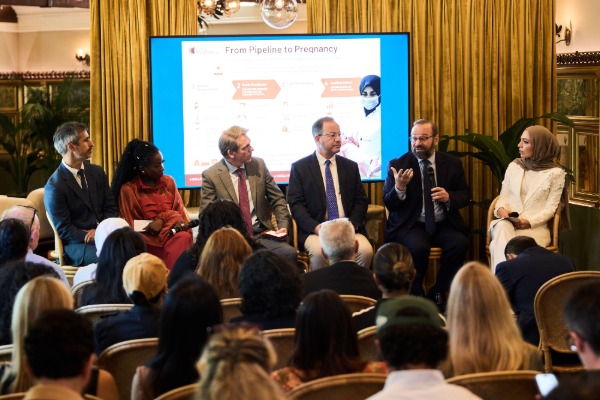
Speaking on the "From Pipeline to Pregnancy: Unlocking the Final Step" panel hosted by the Every Pregnancy coalition at Goals House, Mokhtar highlighted the disconnect between medical innovations and the operational realities of frontline clinics in conflict and rural zones.
During the panel, Mokhtar shared the stark example of a storeroom in Wajir, Kenya, filled with postpartum hemorrhage drapes, a 50-cent plastic device designed to instantly alert medical staff to dangerous blood loss. Despite being successfully procured and shipped, the drapes sat unused because the local health workers had never been trained to read them.
"We make a mistake when we ask: ‘Did the product arrive?’” Mokhtar told the panel of government, philanthropy, and industry leaders. “The essential question should be: ‘Did the mother benefit?’"
Drawing on the organization’s experience in the field, Mokhtar emphasized that the "last mile" of healthcare is not merely a logistics problem, but a systems failure – one that requires “communication and collaboration” to ensure that mothers and newborns don’t fall through the cracks.
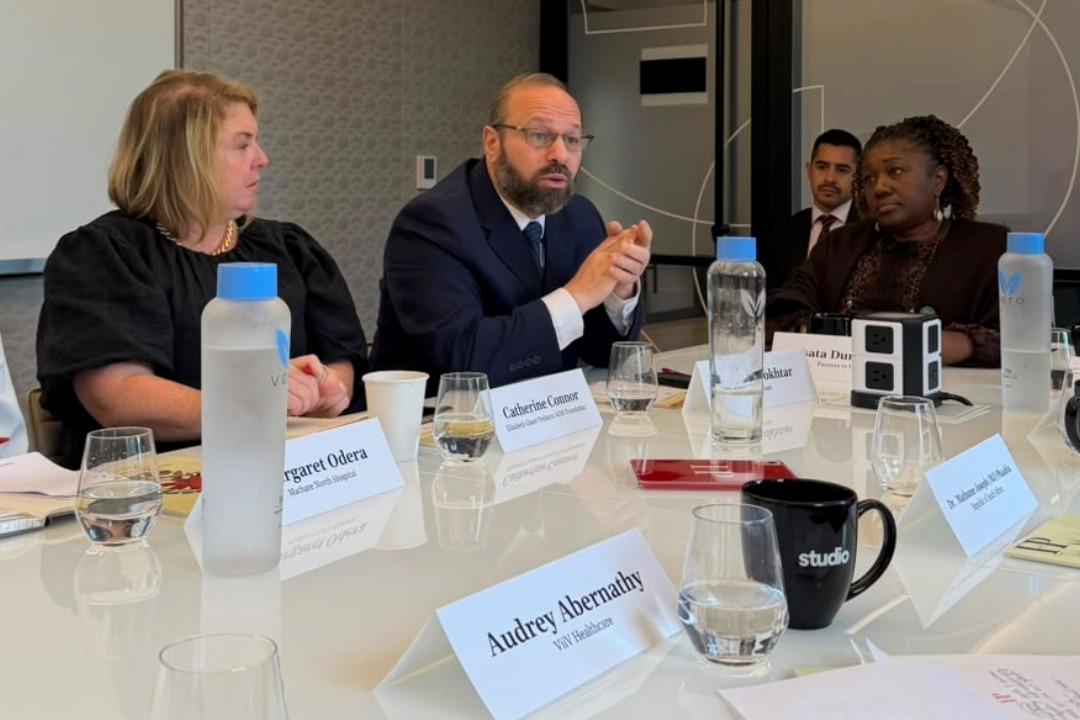
Following the panel, Mokhtar continued this advocacy at a high-level roundtable titled, "The Science Exists. Why Is Delivery Still Failing: Closing the Gap for Mothers, Children, and Adolescents." Sitting alongside government health ministry representatives and other nonprofit executives, Mokhtar shared Baitulmaal’s successful models for bridging this delivery gap.
For example, Baitulmaal is actively bypassing broken pipelines on the frontlines in the following contexts:
- In Wajir, Kenya: the organization is deploying Venturi-system Bubble CPAP devices that require no electricity, paired with extensive, hands-on respiratory training. They brought local health workers on a 12 hour journey on unpaved roads to ensure they were empowered to help mothers and newborns in rural areas.
- In Mogadishu, Somalia: the organization is integrating their recently opened 30-bed Baitulmaal Hope Hospital in Mogadishu directly into the local health ecosystem through a referral and cost-recovery partnership with Jazeera University Hospital, ensuring sustainable, subsidized care for internally displaced mothers.
- In Gaza: the organization is installing solar power solutions for neonatal intensive care equipment at their newest Baitulmaal Hope Medical Center in Khan Younis, in addition to conducting Emergency Obstetric and Newborn Care (EmONC) training at various hospitals to localize specialized capacity amid active conflict and power grid failures.
Through his engagements at UNGA81, Mokhtar reaffirmed Baitulmaal’s commitment to building the critical infrastructure required to turn isolated medical interventions into resilient, everyday realities for mothers and babies. Working alongside coalitions like Every Pregnancy also helps build and deliver systems, support structures and expertise to save the lives of mothers and babies around the world.
Reflecting on Baitulmaal's work, Mokhtar said: "Every life saved is hope reborn."
For more information about Baitulmaal’s maternal and newborn health initiatives, please visit Baitulmaal.org.
# # #
⬅️ Click left or right to see additional images ➡️